
If you have never been through a commercial tenant improvement, the process can feel overwhelming. There are permits, architects, contractors, inspections, and a landlord with their own set of requirements. Here is what actually happens, step by step.
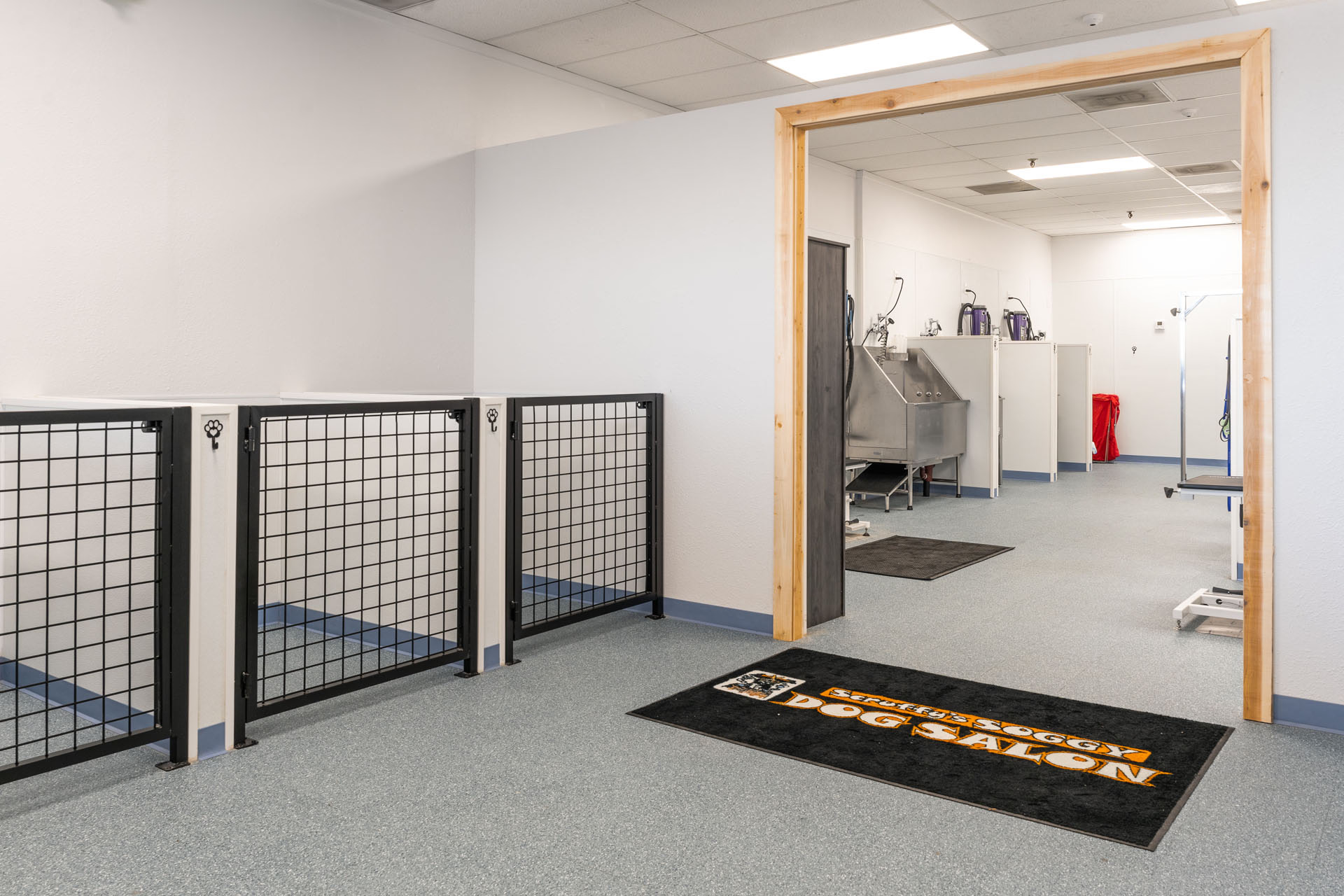
1. Lease Review and Landlord Requirements
Before any construction starts, your lease dictates what you can and cannot do. Most commercial leases include a landlord work letter that outlines who pays for what, required insurance levels, and approved contractor lists. We review this with you upfront so there are no surprises.
2. Design and Permitting
Your architect or designer produces construction documents. These get submitted to the local building department for permit review. In the Denver metro, permit timelines vary by jurisdiction. Denver proper can take 4 to 8 weeks for plan review. Smaller municipalities like Sheridan or Lakewood are often faster.
Choosing the right project delivery method at this stage can compress your timeline significantly.
3. Pricing and Scope Confirmation
Once plans are permitted, we provide a detailed line-item estimate. Every cost is broken out. If something needs to change to hit your budget, we work through value engineering options before breaking ground, not after. Curious about real numbers? We break down current TI costs in Denver in detail.
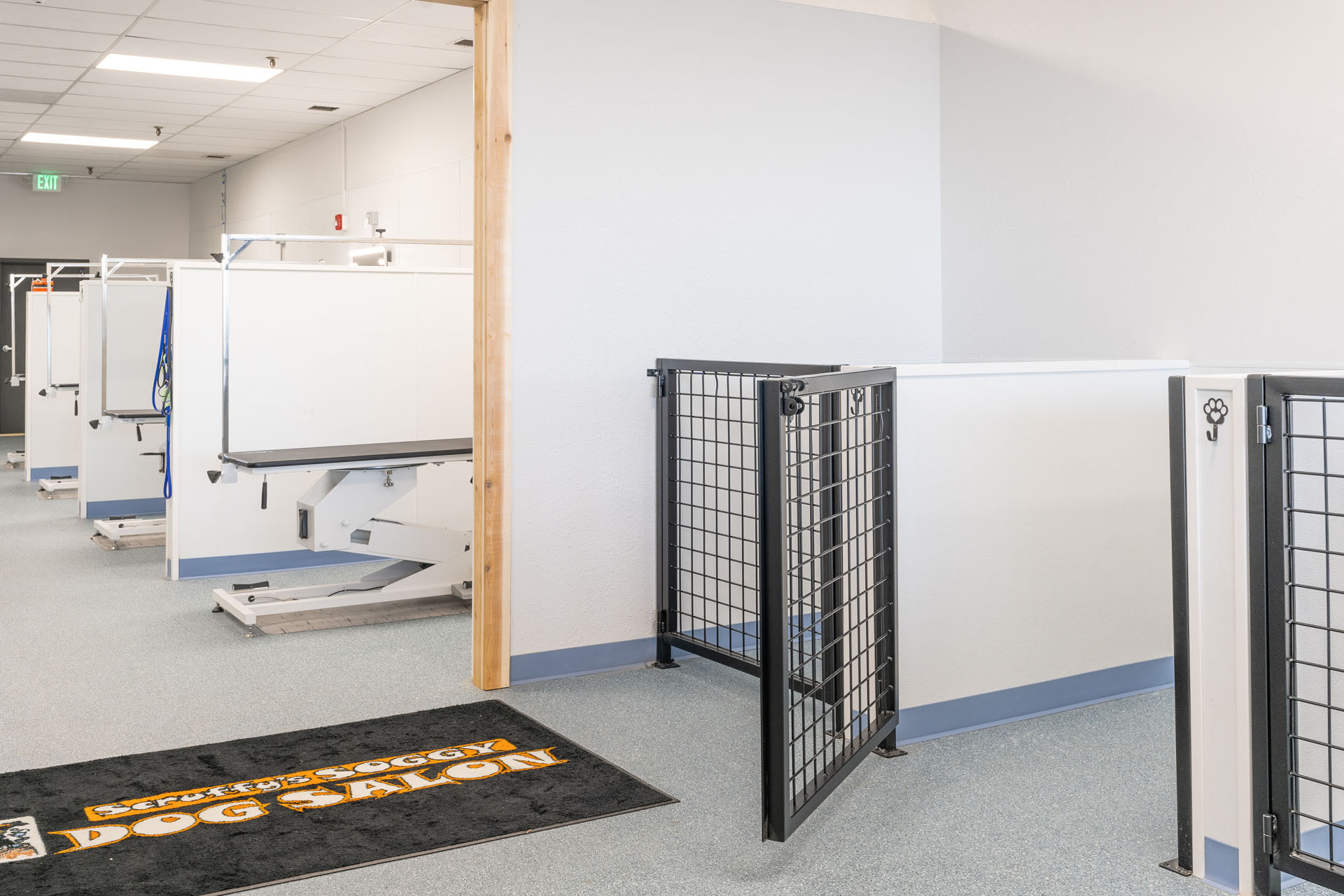
4. Construction
This is where the space transforms. A typical commercial TI follows a predictable sequence: demolition, framing, rough MEP (mechanical, electrical, plumbing), inspections, drywall, finishes, fixtures, and final inspections. We send weekly updates with photos and a look-ahead schedule so you always know where the project stands.
5. Inspections and Certificate of Occupancy
The building department inspects at multiple stages. Framing, rough-in, insulation, and final. We coordinate every inspection. Once final inspection passes, the jurisdiction issues a Certificate of Occupancy and you can open for business.
6. Warranty and Closeout
After move-in, we handle any punch list items and provide warranty documentation. Most commercial work carries a one-year warranty on workmanship. We are a phone call away if anything comes up.
The Bottom Line
A commercial tenant improvement is a significant investment. The difference between a smooth buildout and a nightmare comes down to communication, planning, and having a contractor who tells you the truth. That is what we do at Snyder.
Ready to start your project? Get a free estimate or call us at 833-SNYDER-9 (833-769-3379).
Next read: Design-Build vs Traditional Bid: Which Saves You More?